Cute Cat Pairs Vector Art
A Designer’s First Look: Clean, Warm, and Ready for Stitching
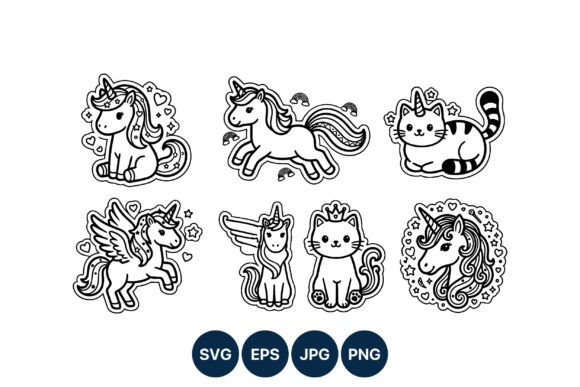
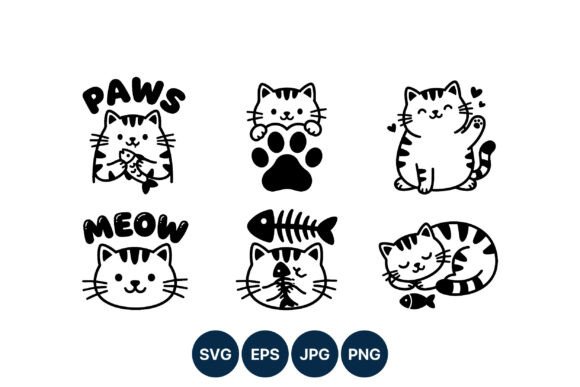
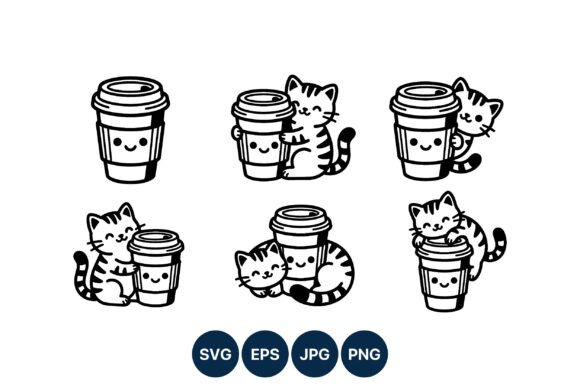
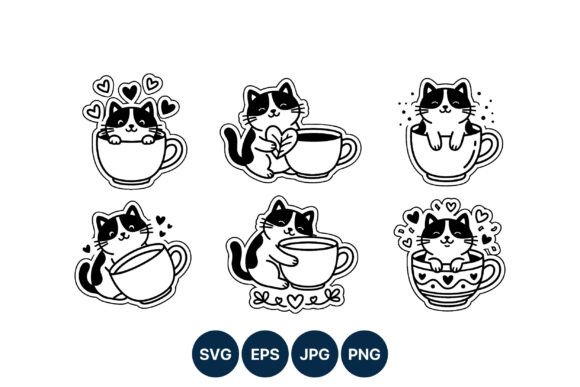
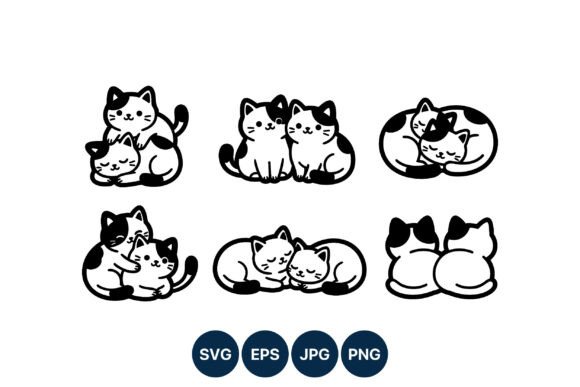
When I opened the Cute Cat Pairs Vector Art folder, what struck me first wasn’t technical precision—it was mood. These aren’t cartoonish or overly stylized cats; they’re tender, quiet moments of companionship—two cats curled nose-to-nose, one draped over the other’s back, another resting chin-on-paw in gentle symmetry. The black-and-white line art is intentionally minimal: no shading, no gradients, just confident strokes and thoughtful negative space. That simplicity isn’t a shortcut—it’s strategic. It translates directly to embroidery clarity, especially at smaller scales.
Where This Design Naturally Lives (and Thrives)
I tested Cute Cat Pairs Vector Art as the centerpiece for a custom embroidered tote bag—cotton canvas, medium-weight, natural undyed fabric. The result? Instant warmth. Customers paused mid-browse at my craft fair booth—not because it screamed “look at me,” but because it felt like a quiet invitation. That’s the power of intentional restraint.
This design shines in contexts where softness and sincerity matter: baby onesies (think matching sibling sets), linen pillow covers for nursery decor, unbleached cotton tea towels for a boutique kitchen line, or minimalist sweatshirt embroidery for small shop merchandise. It also works beautifully as an embroidered patch—clean outlines hold up well under satin stitch borders, and the paired composition lends itself to symmetrical placement on lapels or backpacks.
For Etsy sellers, Cute Cat Pairs Vector Art is quietly versatile. Pair it with neutral thread palettes (ecru on oatmeal, charcoal on heather grey) and it reads as elevated handmade—not crafty-cute, but thoughtfully designed. That distinction matters when buyers scroll past dozens of cat-themed listings.
Real Embroidery Considerations: What Works—and What Needs Care
Because this is vector art—not a pre-digitized machine embroidery design—you’ll need to digitize it yourself or work with a digitizer. That’s not a drawback; it’s flexibility. But it does mean attention to detail is non-negotiable.
- Hoop size & scale: The compositions are balanced for 3"–4" hoops. If you’re planning a tiny cap front or baby hat, isolate one pair and simplify further—avoid trying to shrink all four poses into one small area.
- Fabric texture & stability: On loosely woven linen or textured terry cloth, use medium tear-away stabilizer underneath and light cut-away on top. The clean lines can blur on high-pile fabrics without proper support.
- Dark or stretchy fabric? Test contrast early. A single black thread on navy denim may read as muddy unless you add a white underlay or switch to metallic silver for lift. For stretchy knits (like baby bodysuits), always test stitch density—too many fill stitches in tight curves can cause puckering.
- Washability: Since these are affectionate, intimate poses—not bold graphics—they suit heirloom-quality items meant for gentle care. Recommend hand-wash or cold gentle cycle in product listings.
How It Shapes Perception—Beyond the Stitch
Embroidery isn’t just about thread count—it’s about emotional resonance. Cute Cat Pairs Vector Art conveys quiet connection, making it ideal for personalized gifts: a matching pair for newly adopted rescue cats, a subtle nod to friendship on a holiday apron, or a tender wedding gift for two cat-loving partners. That narrative lifts perceived value. Buyers don’t just see “cat design”—they feel intention.
From a branding perspective, it supports consistency without being prescriptive. Use it across product categories (tote → pillow → patch) and it reads as part of a cohesive visual language—not a one-off clipart drop-in. That builds trust, especially for craft businesses growing beyond single-product shops.
Practical Notes Every Embroiderer Should Check Before Stitching
- Always run a test stitch on scrap fabric that matches your final garment’s weight and weave.
- Review the vector paths for unintentional overlaps or micro-gaps—these become stitching hiccups if not cleaned before digitizing.
- Check how the design handles corners and curves. Some poses include delicate ear tips or tail ends—ensure those won’t vanish at low stitch counts.
- Compare mockups on both light and dark backgrounds. Black line art gains strength on cream or oat; it gains elegance on charcoal—but avoid true black fabric unless using high-contrast thread.
- Confirm licensing terms before selling finished products. Since this falls under Illustrations, not pre-digitized machine embroidery designs, commercial use of the final stitched item is likely permitted—but verify before listing on Etsy or wholesale platforms.
- Use proper stabilizer for your fabric type. Skipping this step risks distortion, especially around the gentle arcs of curled tails and shared paws.
Final Thought: Not Just Cats—A Quiet Design Statement
Cute Cat Pairs Vector Art doesn’t try to be everything. It’s not built for loud festival tees or complex multi-color applique. It’s built for the quiet moments: the coffee-stained tea towel folded over a kitchen counter, the baby blanket tucked into a stroller, the embroidered patch sewn onto a worn denim jacket by someone who values slowness and care.
If your craft business centers on authenticity over algorithm-friendly trends—if your customers choose handmade because they want meaning stitched in, not just decoration—then this is more than a Graphics download. It’s a thoughtful starting point for something real.