Scottish Fold Cat Vibes Vector Art
First Impressions: Charm with Clear Embroidery Intent
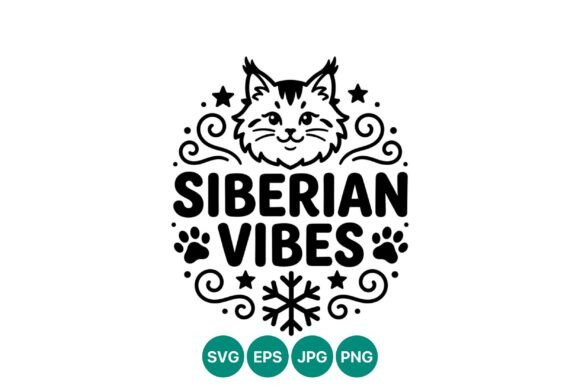
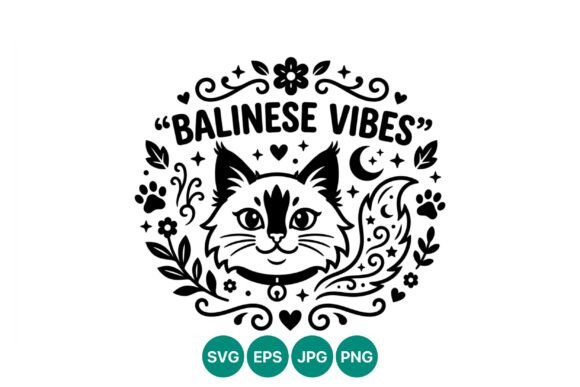
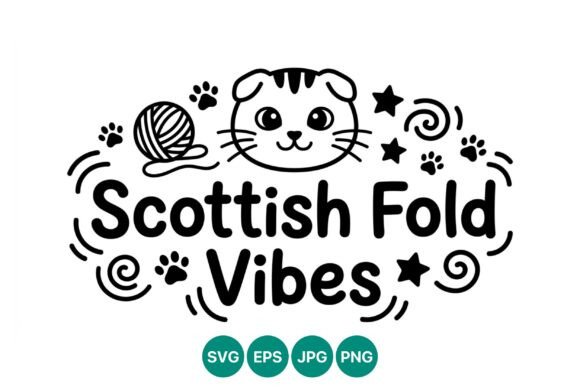
Opening Scottish Fold Cat Vibes Vector Art, I felt that immediate, quiet smile—the kind you get when a design just *gets* the mood. It’s not overly cutesy, not too minimal, and avoids cartoon exaggeration. The Scottish Fold cat face anchors it with soft curves and gentle expression—ideal for baby items, nursery decor, or boutique apparel where warmth matters more than whimsy. Paw prints, a yarn ball, stars, and swirling lines orbit handwritten-style text that says “scottish fold vibes.” Visually, it breathes. There’s intentional negative space, balanced weight distribution, and clear visual hierarchy—all signs this wasn’t just drawn for print, but considered for stitch.
A Real Project Test: Embroidering This on a Linen Tea Towel
Last week, I prepped a small-batch run of linen tea towels for a local kitchen boutique. I chose Scottish Fold Cat Vibes Vector Art as the centerpiece for their “Cat Lover’s Kitchen” collection. Why? Because its black-and-white vector foundation translates cleanly to embroidery without color bleed concerns—and because the layout naturally fits a 4x4 hoop while leaving room for subtle border stitching.
What stood out during digitizing: the paw prints and yarn ball hold shape beautifully at 2.5–3 inches wide. The swirling lines read as elegant motion—not messy chaos—when converted to running and satin stitches. And that handwritten text? It’s legible even at 1.75 inches tall, provided your digitizer respects stroke weight and avoids over-compacting letters. No redraw needed. That saves time and preserves the design’s personality.
Where It Shines (and Where It Asks for Thought)
Scottish Fold Cat Vibes Vector Art works exceptionally well for:
- Custom apparel—especially sweatshirts and relaxed-fit tees where softness and charm align with customer expectations;
- Embroidered patches—its clean outlines and moderate detail level mean crisp edges without excessive underlay or thread breaks;
- Baby embroidery—on onesies or burp cloths, its gentle theme reads as soothing, not busy;
- Holiday embroidery—think cozy Christmas stockings or Valentine’s Day pillow covers where “vibes” feel heartfelt, not generic;
- Small shop product—it elevates handmade presentation without demanding premium pricing.
But it asks for attention in specific scenarios:
- Curved surfaces like caps or beanies—test the swirls and text on a curved stabilizer first; tight curves may compress letter spacing or distort star points;
- Thin or stretchy fabric—the yarn ball’s circular fill and paw print outlines need firm stabilizer backing to avoid puckering;
- Dark fabric—since it’s black-and-white vector art, confirm your thread colors provide enough contrast (e.g., light gray or ecru thread on navy works better than stark white);
- Tiny hoop sizes—below 3x3”, the text becomes fragile; simplify or omit it for micro-patches or keychain charms;
- Frequent-wash items—dense fill areas (like the cat’s ear interior) benefit from moderate stitch density to prevent stiffness or cracking over time.
How It Shapes Perception—Beyond the Stitch
This isn’t just about whether the design embroiders cleanly—it’s about how it makes your finished product feel. Scottish Fold Cat Vibes Vector Art carries quiet confidence. It doesn’t shout. It invites. That translates directly to customer trust: buyers recognize intentionality, and they pay more for pieces that feel curated, not mass-produced.
For Etsy sellers and craft fair vendors, it strengthens brand consistency—especially if you’re building a “whimsical-but-grounded” aesthetic across mugs, totes, and apparel. As a digital embroidery file, it pairs effortlessly with printable mockups, letting you showcase realistic context before listing. And for personalized gifts? Its warmth lands emotionally—no explanation needed.
Practical Designer Notes Before You Stitch
Before committing to production, here’s what I always do with a new illustration like Scottish Fold Cat Vibes Vector Art:
- Test on scrap fabric—same fiber content and weight as your final product;
- Check thread color contrast in natural light and under store lighting;
- Review stitch density—especially in the cat’s face and yarn ball—to avoid stiff, plasticky results;
- Confirm hoop size compatibility with your machine and intended item (e.g., a tote bag handle area limits usable hoop space);
- Inspect small details—zoom into paw print claws and star tips to ensure they’ll resolve cleanly at your target size;
- Mock it up in black and white first—even if stitching in color—to verify balance and readability;
- Compare light vs. dark fabric backgrounds visually, not just digitally;
- Use appropriate stabilizer—cutaway for knits, tear-away for stable wovens like linen or cotton duck;
- Verify licensing—since this is categorized as Illustrations and Graphics, confirm whether commercial use of finished embroidered items is permitted before selling on Etsy or at markets.
Final Thought: A Design That Earns Its Place
Scottish Fold Cat Vibes Vector Art isn’t flashy—but it’s thoughtful. It doesn’t try to be everything. It knows its lane: gentle charm, cohesive rhythm, and embroidery-ready structure. For makers who value authenticity over algorithm-friendly noise, it’s a reliable asset—not just another download. Whether you’re stitching a single personalized gift or scaling a small batch for your craft business, this design supports your voice instead of competing with it. That’s rare. And worth keeping close.